
Does Bentonite Cat Litter Stick to Your Cat’s Paws and Spread Around the House?
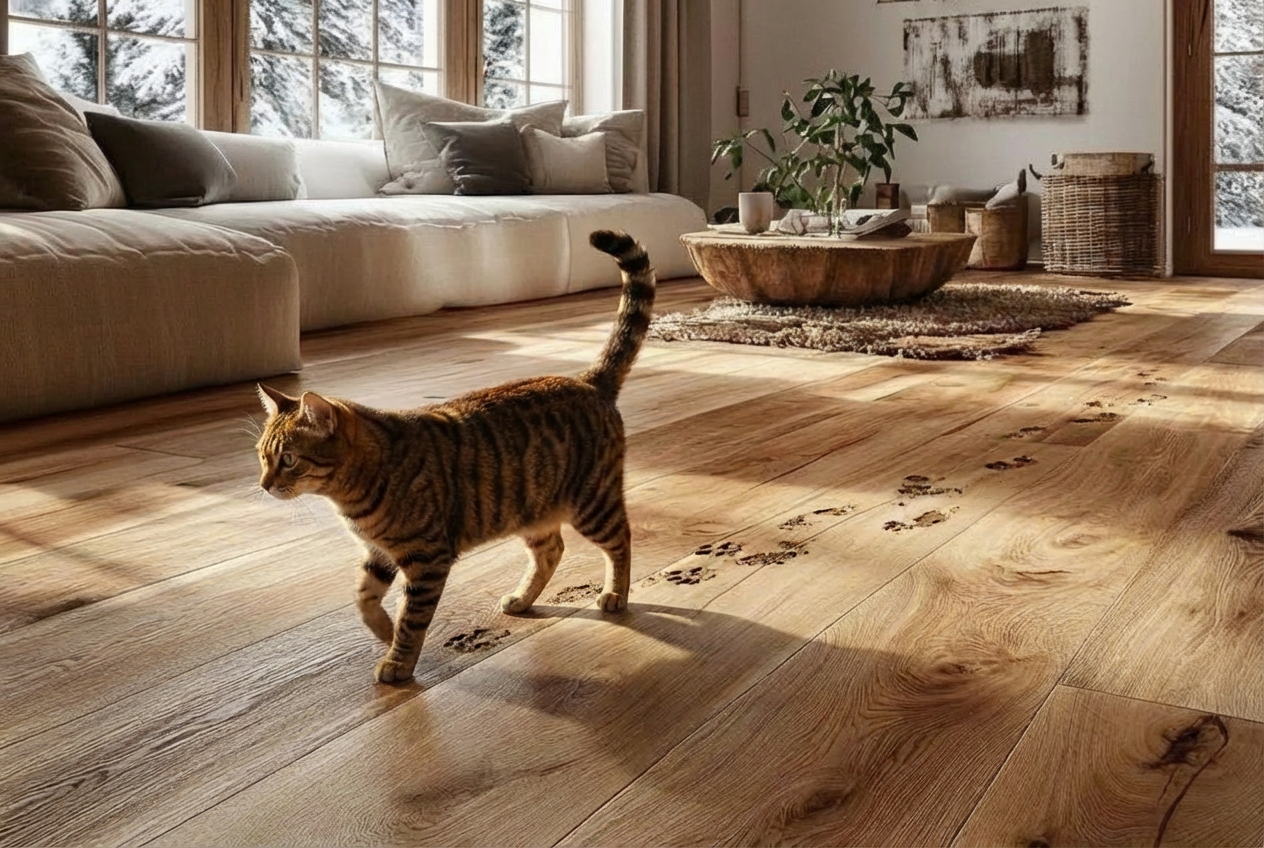
One of the most common concerns among cat owners is litter tracking. You clean the litter box, everything looks fresh — and a few minutes later you notice tiny paw prints or scattered granules across the floor. It’s frustrating, especially in modern homes with light-colored tiles or wooden floors.
So the big question is:
Does bentonite cat litter really stick to your cat’s paws and spread around the house?
The answer depends heavily on one critical factor:
quality.
As a manufacturer of high-quality bentonite litter, we understand that not all bentonite is created equal.
When engineered and processed correctly, premium bentonite litter significantly reduces dust and tracking, helping you maintain a cleaner, fresher home.
Does It Stick or Not?
High-quality bentonite litter does not significantly stick to paws.
Premium bentonite forms fast, firm clumps that trap moisture instantly. This minimizes wet residue and reduces the chance of particles attaching to your cat’s paws. However, low-grade, overly dusty, or ultra-fine bentonite may increase tracking.
Why Might Bentonite Litter Stick to Paws?
01
Excessive Dust Content
Websites that function flawlessly on all devices, while also being optimized for speed, SEO, and accessibility.
02
Ultra-Fine Grain Size
Extremely small granules can lodge between paw pads and stick more easily during movement.
03
Slow Clumping Performance
When clumping is delayed, moisture spreads and creates damp residue that adheres to paws.
04
Insufficient Litter Depth
A shallow litter layer increases the chance of stepping on wet areas before firm clumps form.
05
High Humidity Environment
Elevated humidity levels can make litter slightly damp, increasing its tendency to stick.
06
Low-Quality Raw Materials
Impure or poorly processed bentonite reduces clumping strength and increases unwanted tracking.
07
Poor Litter Box Maintenance
Infrequent scooping allows moisture buildup, creating sticky surfaces that attach to paws.
Even though high-quality bentonite litter is designed to reduce tracking, certain environmental and product-related factors can increase the likelihood of particles sticking to your cat’s paws and spreading around your home.

Bentonite Cat Litter Dust: Why Production Process Matters
How Premium Bentonite Is Engineered for Low Dust
Dust control begins at the production level. High-quality bentonite must go through:
- Advanced drying systems to reduce residual moisture
- Multi-stage sieving to remove ultra-fine particles
- Precision granulation for consistent grain structure
- Dust extraction and air filtration technology
- Controlled packaging environments
When these processes are applied correctly, the result is low-dust, clean-pouring litter that protects both your home and your cat’s respiratory health.
Tracking Triggers !
Litter is more likely to stick under the following conditions:
Immediately After Use
If a cat steps on freshly wet areas before clumping completes.
01
In Low-Quality Formulas
Cheap formulas often lack fast-binding properties.
02
In Overfilled or Under-filled Boxes
Improper litter depth affects clumping speed.
03
In High-Humidity Homes
Moist environments increase adhesion risk.
04
With high-grade bentonite and proper usage, these issues are significantly minimized.

Grain Size and Its Impact on Tracking
Why Granule Size Matters
Grain size plays a major role in litter tracking.
- Too fine: Increased dust and higher adhesion to paws
- Too coarse: Reduced clumping efficiency
- Engineered mid-size granules: Ideal balance between strong clumping and minimal tracking
Professionally engineered bentonite uses optimized granule sizing to reduce spread while maintaining superior absorption.
Checklist ! What to Look for Before Buying Cat Litter.
Engineered for Clean Living
Why Propet Is Different !
At ProPet, we manufacture bentonite litter using the latest specialized equipment and advanced engineering processes. Our litter is carefully refined to remove excess dust, optimize granule size, and deliver fast, firm clumping performance.
Premium Quality
Low dust, controlled granules, superior absorption for consistently cleaner living spaces.
Advanced Technology
Fast, firm clumping with powerful moisture locking for effortless daily maintenance.
Pure Freshness
Effective odor control system keeps your home fresh, hygienic, confidently welcoming.
Certified Standards
Sealed packaging, clear production standards ensure reliable, professional-grade performance.
Frequently asked questions
How can I prevent cat litter from spreading around the house?
Choose low-dust, fast-clumping bentonite, maintain proper litter depth (5–7 cm), and place a litter mat outside the box.
7 Simple Ways to Keep the Area Around the Litter Box Clean.
1. Use premium low-dust litter
2. Maintain 5–7 cm litter depth
3. Scoop daily
4. Use a litter-catching mat
5. Avoid overfilling the box
6. Keep the box in a low-humidity area
7. Trim long fur around paw pads if necessary
How Can a 5-Minute Routine Keep Your Home Paw-Print Free?
- Scoop waste daily
- Check litter depth
- Shake out the litter mat
- Wipe the surrounding floor
- Inspect for moisture buildup
What Is the Difference Between Bentonite and Other Litters in Tracking Control?
High-quality bentonite forms solid clumps quickly, locking moisture before it spreads. Many alternative litters either break apart easily or produce more dust, increasing tracking and residue.
Does bentonite always stick to cat paws?
No. Only low-quality or overly dusty versions tend to cause noticeable sticking.
Can high-quality bentonite really reduce mess?
Absolutely. When engineered properly, it significantly minimizes dust, moisture spread, and tracking.