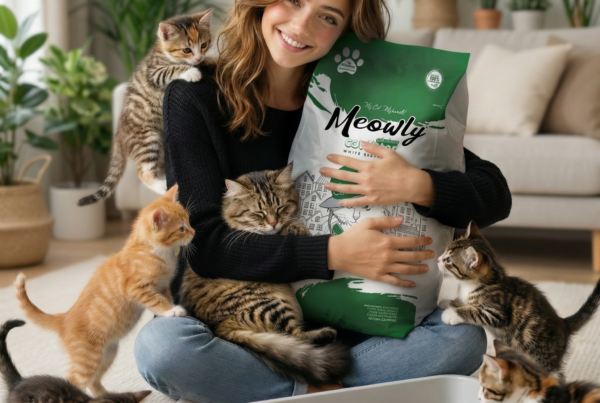

Are you sure the litter you’re using is truly safe for your kitten?
Bringing a kitten home comes with many questions — and litter choice is one of the biggest concerns for new cat owners. Many worry about dust, clumping safety, odor control, litter tracking, and whether their tiny kitten might accidentally ingest litter. Since kittens are more sensitive than adult cats, choosing the right litter directly affects their health, hygiene, and successful litter training.
The Short Answer:
What’s the Best Cat Litter for Kittens?
A simple and safe choice
The best cat litter for kittens is a high-quality, low-dust bentonite litter with controlled granule size and strong clumping performance. It should be gentle on paws, easy to clean daily, and effective at locking moisture and odor — helping both kittens and owners feel comfortable.

Kitten litter !
Why Choosing the Right Litter for Kittens Is Important
Kittens explore the world differently. They dig, jump, sometimes taste unfamiliar textures, and spend more time in the litter box while learning. A poorly designed litter can create excessive dust, stick to paws, spread around the house, or fail to control moisture properly — leading to hygiene issues and training setbacks
Is Clumping Litter Safe for Kittens?
Understanding clumping safety
Yes — high-quality clumping bentonite litter is safe for kittens when used correctly.
The key factors are:
- Low dust formula
- Medium-sized granules (not too fine)
- Strong, fast clumping to prevent residue
Most veterinarians recommend introducing clumping litter after kittens are around 6–8 weeks old. Strong clumps make daily cleaning easier and keep the remaining litter fresh, which supports healthy litter habits early on.

Because a kitten’s first experiences shape lifelong behavior.
Building Healthy Litter Habits
Common Kitten Litter Box Problems
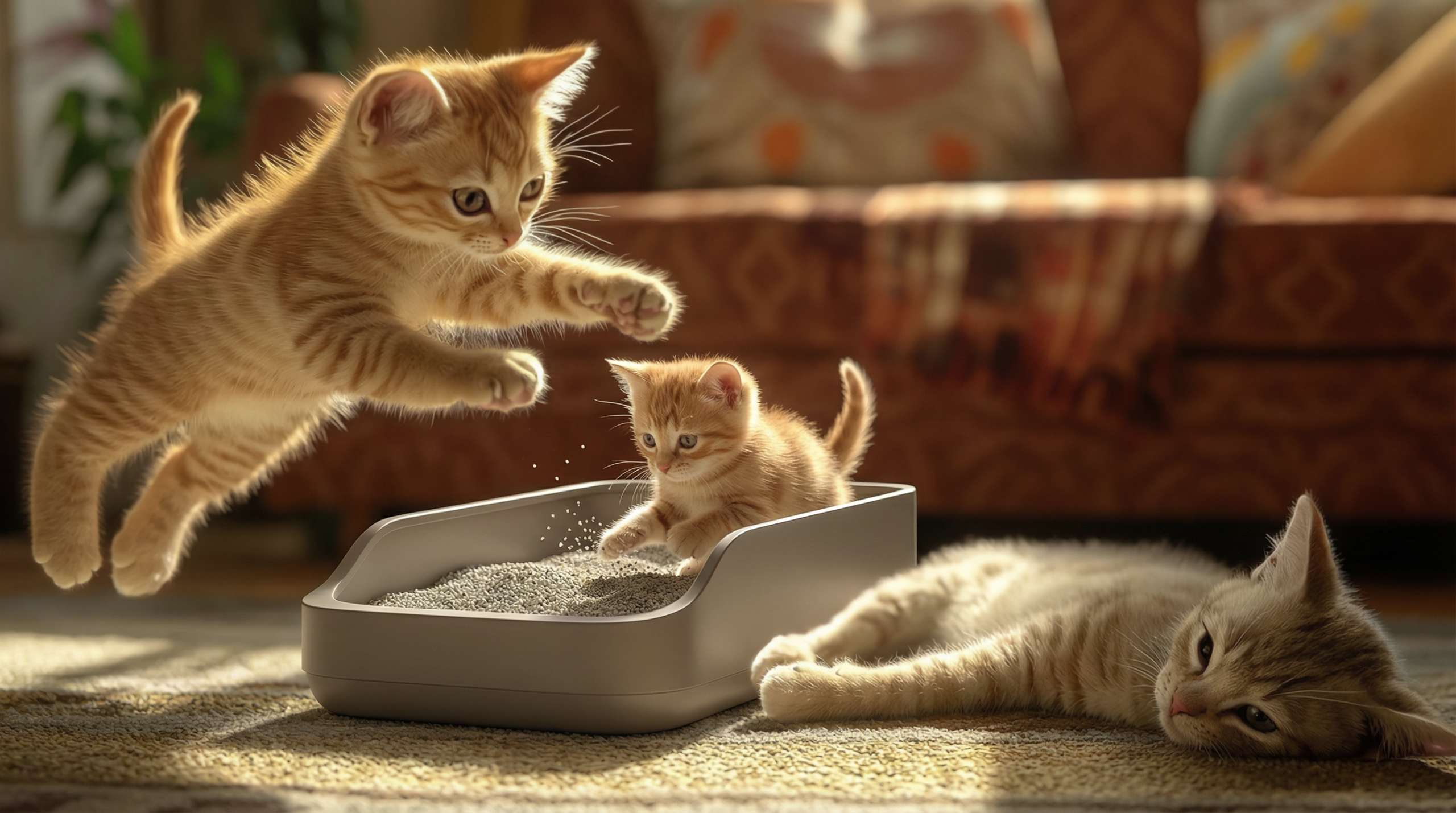
Why Is My Kitten Playing in the Litter Box?
Kittens often play in the litter box out of curiosity. However, excessive playing may indicate boredom, too much dust, or uncomfortable litter texture.
A well-balanced bentonite litter with proper granule size and low dust reduces irritation and keeps the box appealing for its intended use.
Curiosity Phase
Young kittens naturally explore textures.
Excess Energy
More playtime outside the box reduces this behavior.
Litter Texture Issues
Uncomfortable or overly fine litter may trigger digging and tossing.
How to Litter Train a Kitten Successfully
Litter training is one of the most searched topics among new cat owners.

Frequently asked questions
When can kittens use clumping litter?
Most kittens can safely use clumping litter around 6–8 weeks of age.
What litter is safe for kittens?
Low-dust, high-quality bentonite litter with controlled granules and strong clumping is considered safe and practical.
Why is my kitten playing in litter box?
Usually curiosity or excess energy. Ensure the litter texture is comfortable and the box is clean.
How to stop kitten from eating litter?
Use medium-sized granules, keep the kitten supervised initially, and ensure proper nutrition.
How often to change kitten litter?
Scoop daily and fully replace litter every 2–3 weeks, depending on usage.
How much litter for a kitten?
Maintain about 5–7 cm depth — enough for digging without excessive waste.