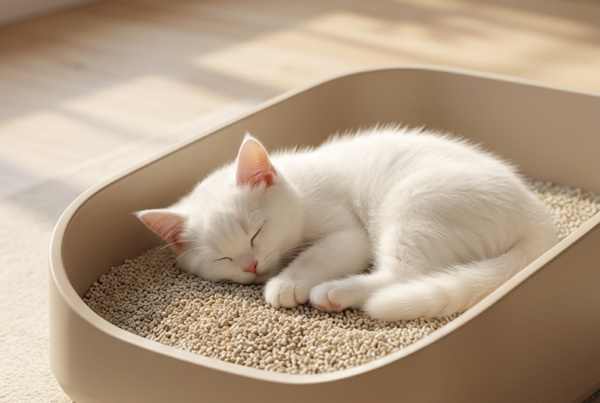
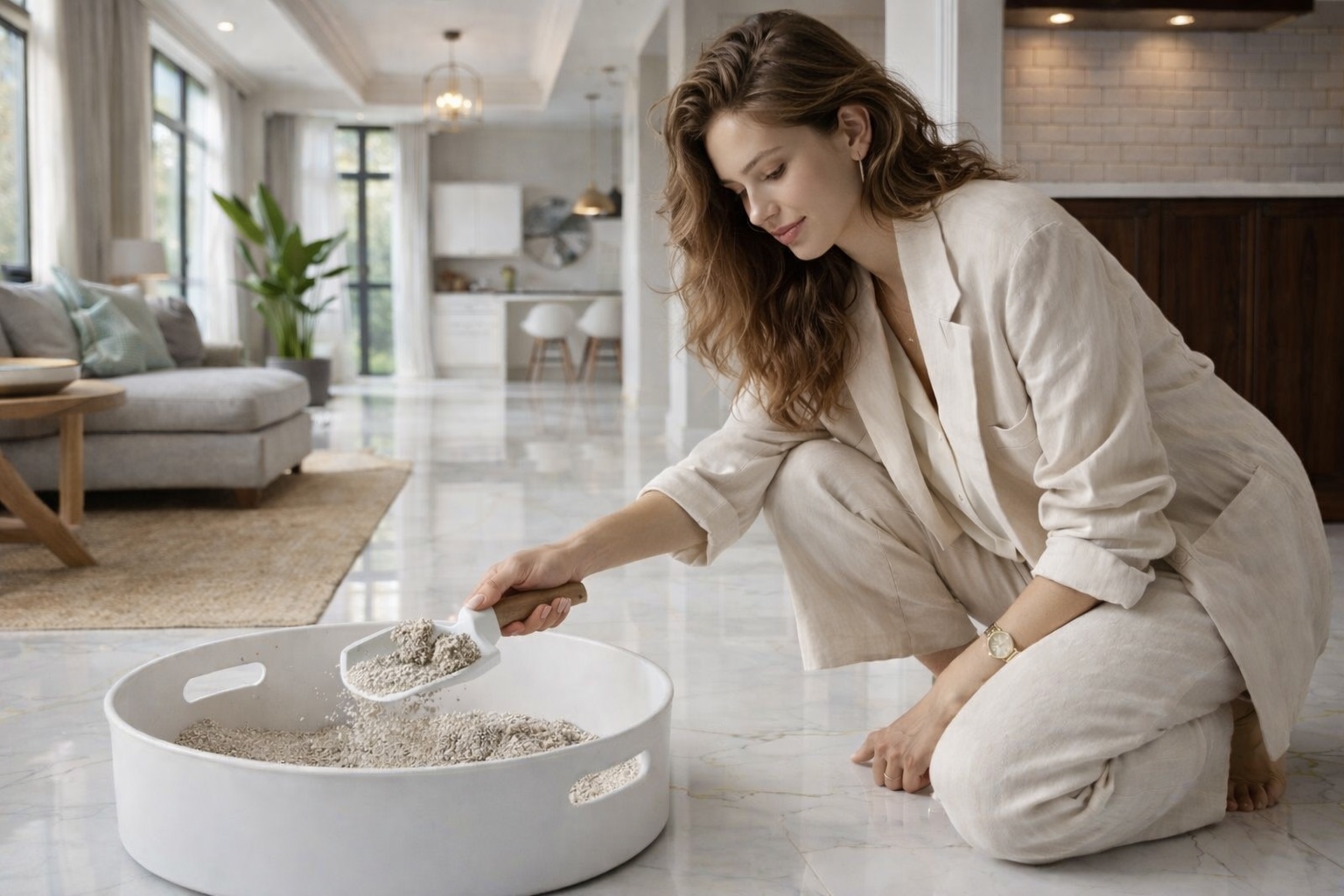

What Is Bentonite Cat Litter and Why Is It So Popular?
If you’ve ever searched for a litter that’s easy to scoop, controls odor well, and lasts longer than non-clumping options, you’ve probably seen bentonite cat litter. Many cat owners—especially in apartments—choose it for practical reasons: it forms tight clumps, helps keep the box cleaner, and can be cost-efficient when used correctly.
 Bentonite cat litter is a clay-based litter made mostly from a mineral
  called montmorillonite. When it gets wet
  , it swells and forms solid clumps
  , so you can scoop out
  urine and keep the rest
  clean. This “clumping” is why it’s popular for odor
  control, daily convenience
  , and lower waste.
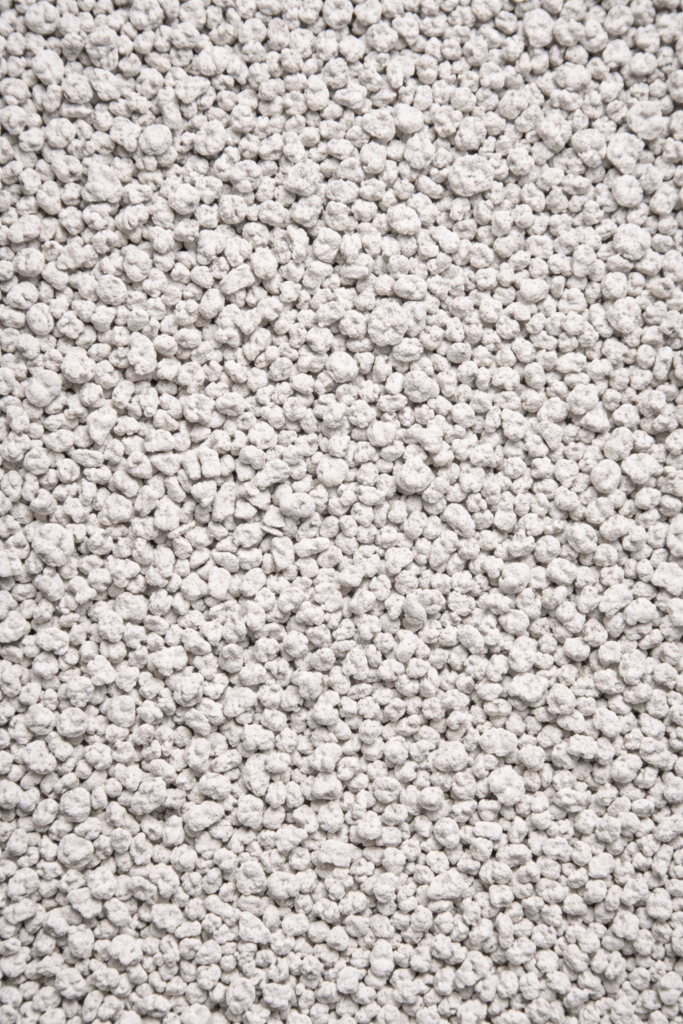

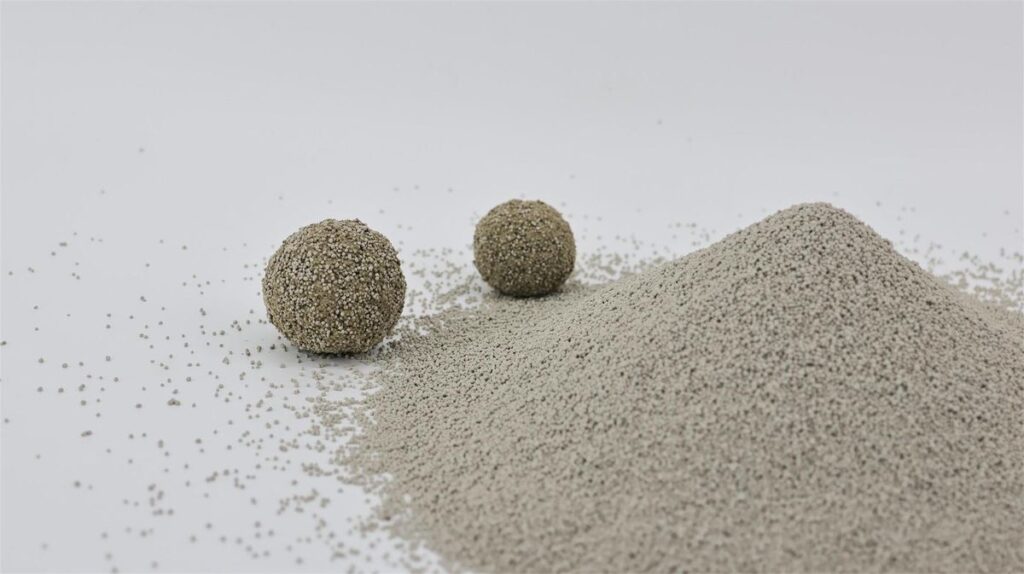
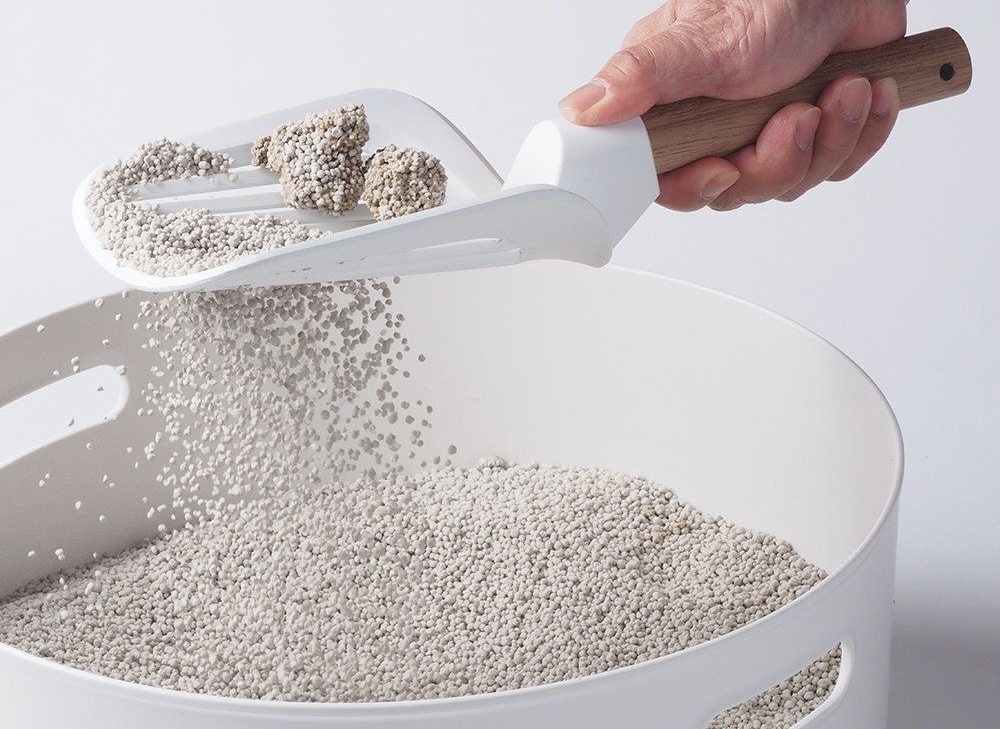
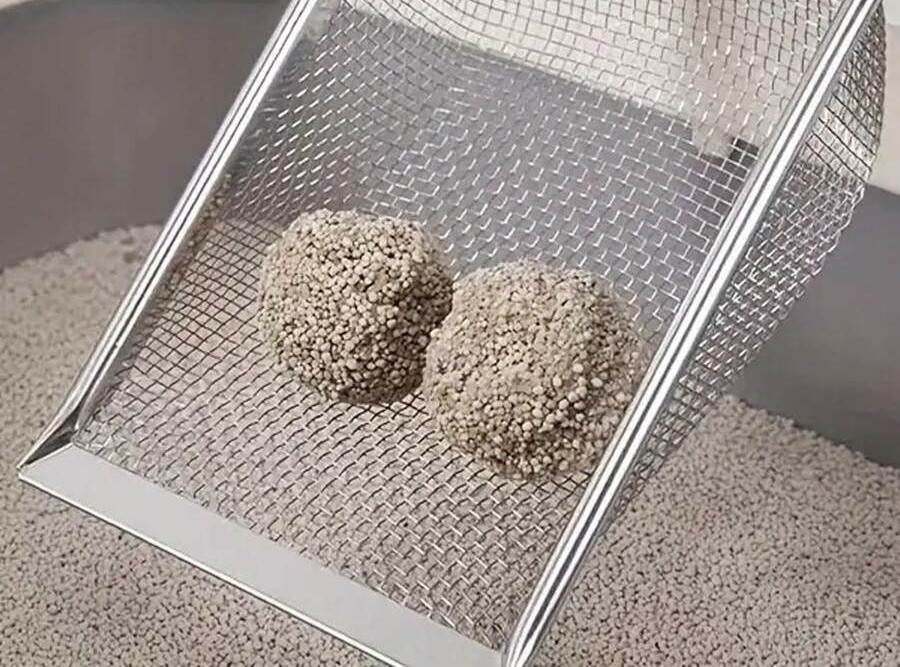
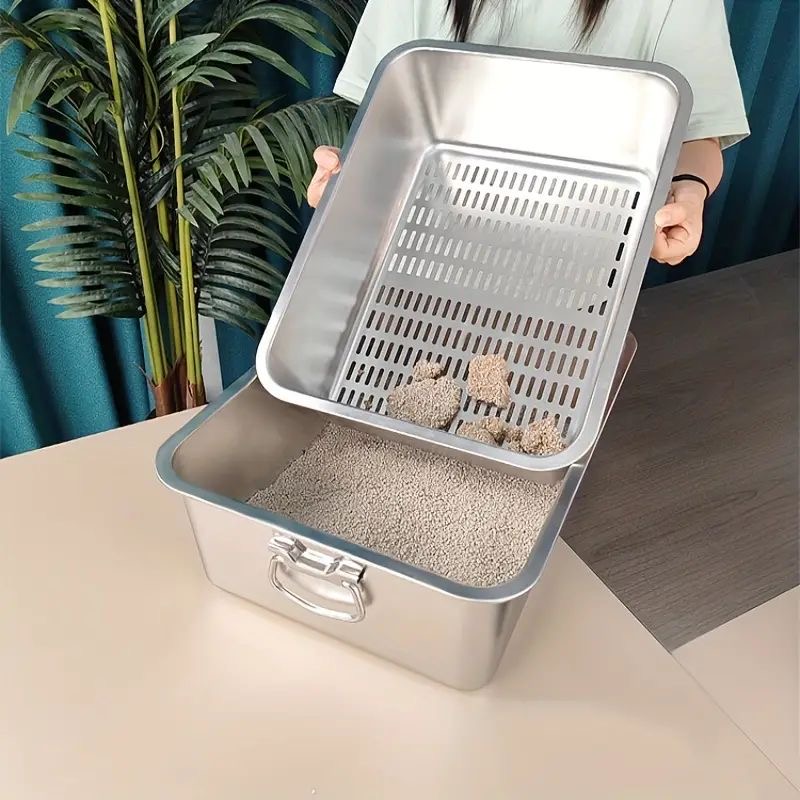

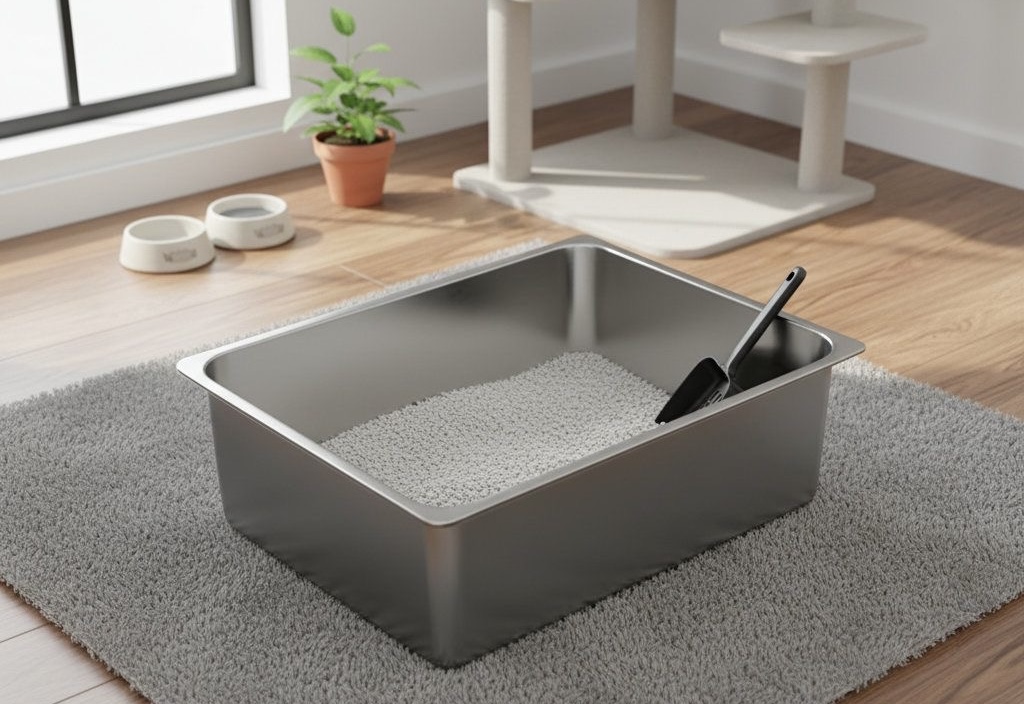
How clumping litter works?
To understand how clumping litter works, think of bentonite granules like tiny sponges with a layered structure. When urine hits the litter, water enters those layers and the clay swells, sticking particles together into a clump.
This is why many owners feel clumping litter keeps the box more “toilet-like” (you remove waste instead of leaving it behind).
- Fast absorption helps limit spreading
- Clumps trap odor by locking moisture in one place
- Less full-box dumping when daily scooping is consistent
common reasons owners choose it
5 practical reasons it became so popular (especially in apartments)
Bentonite’s popularity isn’t just marketing—it matches real life. Apartment living often means smaller spaces, closer neighbors, and less tolerance for odor.
Here are common reasons owners choose it:
Benefits you can expect (and where quality matters)
This is where bentonite shines—when it’s well made. Higher-quality products can be low dust cat litter and low tracking cat litter, but quality varies widely.
Strong clumps
Good absorbency
Lower waste
odor control
Storage tips
Keep litter in a dry, sealed container. Moisture in storage can reduce clumping and increase odor.
Best-practice routine: depth, scooping, and how often to change cat litter
A great litter can still smell bad if the routine is weak. Good habits matter as much as the product.
Litter depth guidance
Many cats prefer a shallow bed of litter—often around 1–2 inches (2.5–5 cm).Too deep can increase tracking and wasted litter.
Scooping frequency
Scoop at least once daily (twice is even better in small apartments or multi-cat homes).
Full change schedule (general guidance)
How often to do a full refresh depends on cats, boxes, and your nose—there isn’t one perfect rule. Many reputable guides suggest washing the box and replacing litter on a regular cycle (often every 1–4 weeks for clumping litter, depending on management).
Engineered for comfort
Bentonite cat litter became popular because it fits real-life needs
easy scooping, practical odor control, and a cleaner daily routine—especially in apartments. Sodium vs calcium differences can affect clumping strength, but brand quality and your routine matter even more. Choose low-dust, low-tracking options when possible, keep the box clean, and watch your cat’s comfort. If behavior changes suddenly, treat it as a potential health or stress sign, not “bad behavior.”
Mix new litter into the old over 7–10 days:
This reduces stress and refusal, especially in sensitive cats.
Days 1–3
25
75
Days 4-6
50
50
Days 7-10
75
25
Where comfort becomes instinct.
If you’re looking for a bentonite-based option with a focus on firm clumping and practical odor control, Propet Cat Litter may be a good fit for many cats and typical home setups. As with any litter, the best choice is the one your cat accepts comfortably—especially if you prioritize low dust and a steady cleaning routine.
Frequently asked questions
What is bentonite cat litter?
It’s a clay-based litter made mostly from montmorillonite that absorbs moisture and forms clumps for easy scooping.
What are the best cat litter box odor tips?
-
Scoop daily,
-
wash the box regularly,
-
use an appropriately large box,
-
improve ventilation,
-
check for health issues if odor or accidents are sudden.
How does clumping litter work?
When wet, bentonite swells and binds particles together into a solid clump you can remove.
How often to change cat litter if it’s clumping?
Scoop daily, and fully replace/clean on a regular cycle (often within 1–4 weeks depending on use and odor).
Is bentonite cat litter safe?
Many cats use it safely, but low dust and low fragrance are important—especially for sensitive cats. If symptoms are severe or persistent, see a vet.